Homeownership is rewarding, but it also comes with an ongoing responsibility to maintain a complex system of structures, mechanical components, and protective features. Over time, even well-built homes experience wear caused by weather exposure, daily use, and natural aging. Small issues can quietly develop behind walls, under floors, or within systems that homeowners rely on every day. Without a clear plan, repairs often feel overwhelming, leading many people to delay important work or focus on cosmetic updates that do little to protect the home.
Prioritizing home repairs is not about fixing everything at once. Instead, it involves understanding which repairs affect safety, which influence comfort, and which improve long-term efficiency. Some issues require immediate attention because they pose risks, while others can be scheduled strategically to prevent future problems. When homeowners approach repairs with a structured mindset, they gain control over maintenance decisions and reduce the stress that often accompanies unexpected breakdowns.
This guide is designed to help homeowners think logically about repair priorities. Each section focuses on a key area of the home, explaining why it matters, how problems typically develop, and what makes timely attention so important. By evaluating repairs through the lens of safety, comfort, and efficiency, homeowners can make informed decisions that protect their investment and support a reliable, comfortable living environment for years to come.
Understanding Structural Stability and Its Impact
Structural stability is the backbone of every safe and functional home. When the structure begins to shift or weaken, the effects can ripple through nearly every other system. Early warning signs such as cracks in walls, uneven floors, or doors that no longer close properly often point to deeper issues beneath the surface. Consulting a foundation repair contractor allows homeowners to determine whether these changes are normal settling or signs of more serious movement related to soil conditions, moisture, or material fatigue.
Ignoring structural concerns can lead to compounding problems. Over time, shifting foundations may strain plumbing lines, distort framing, and create gaps that allow moisture intrusion. These issues rarely resolve on their own and tend to worsen if left unaddressed. Early evaluation helps limit the scope of repairs and reduces the likelihood of extensive disruption later. Structural stability also affects comfort, as uneven floors and misaligned walls can impact insulation performance and airflow.
Prioritizing structural health creates a solid baseline for all other repairs. When the foundation is stable, interior improvements last longer, doors and windows operate properly, and mechanical systems function more efficiently. Addressing structural concerns early supports safety, protects property value, and ensures that future repairs build on a reliable base rather than compensating for unresolved issues.
Keeping Entry Systems Safe and Reliable
Garage doors are among the most frequently used mechanical systems in a home, yet they are often overlooked until a malfunction occurs. Because they rely on tensioned components and precise alignment, even minor wear can affect performance. Symptoms such as jerky movement, loud noises, or difficulty opening and closing often indicate the need for garage door spring repair to restore balance and safe operation.
A malfunctioning garage door can pose serious safety risks. Springs under tension may fail suddenly, potentially causing injury or property damage. In addition, a door that does not seal properly can allow drafts, moisture, and pests into the home, affecting comfort and efficiency. Since garages often connect directly to living spaces, these issues can influence indoor temperature control and air quality.
Addressing garage door issues promptly helps maintain daily convenience while reducing the risk of emergency situations. Routine inspection and timely repairs support smooth operation and extend the lifespan of door components. Treating garage door maintenance as a priority reinforces safety and ensures that one of the home’s primary access points remains dependable and secure.
Protecting the Home From Weather Exposure
The roof serves as the home’s first line of defense against rain, wind, and temperature extremes. Roofing problems often develop quietly, making them easy to overlook until visible damage appears inside the home. Missing shingles, deteriorating flashing, or small leaks can allow moisture to penetrate insulation and framing. Scheduling roof repair at the earliest sign of trouble helps prevent water damage from spreading.
Beyond moisture protection, the roof plays a key role in regulating indoor temperatures. Compromised roofing materials can affect ventilation and insulation performance, forcing heating and cooling systems to work harder. Over time, this added strain reduces efficiency and shortens the lifespan of mechanical equipment. Regular inspections and proactive maintenance help identify issues before they escalate into costly repairs.
Prioritizing roof care protects both the structure and the living spaces beneath it. A well-maintained roof supports consistent indoor comfort, preserves interior finishes, and enhances overall energy performance. By addressing roofing issues early, homeowners safeguard their property against weather-related damage and maintain a stable, efficient home environment.
Preserving Exterior Walls and Protective Finishes
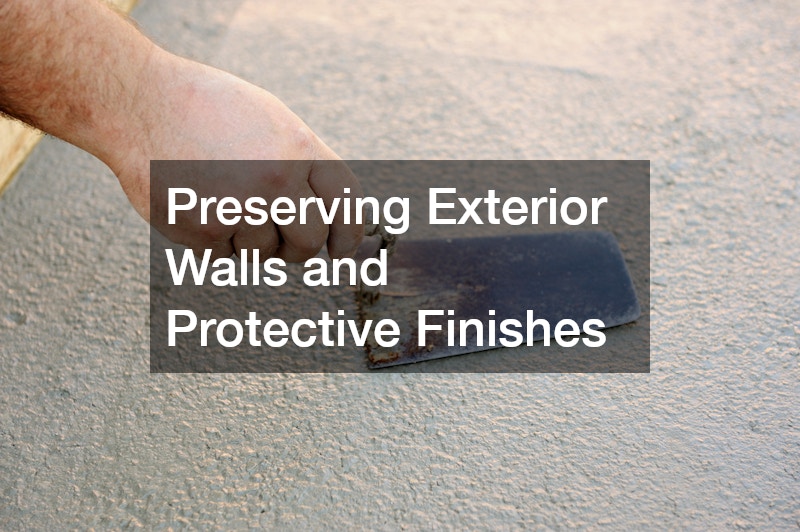
Exterior walls do more than define a home’s appearance; they act as a protective barrier against moisture, wind, and temperature fluctuations. Over time, surface wear, cracks, or chips can compromise this barrier, allowing water to seep into wall systems. Addressing stucco repairs early helps maintain the integrity of exterior finishes and prevents hidden damage from developing behind the surface.
When exterior finishes fail, moisture intrusion can affect insulation, framing, and interior materials. Small gaps may also allow air leakage, reducing efficiency and creating drafts inside the home. Regular inspection and maintenance help ensure that exterior surfaces continue to perform their protective role. In addition to functional benefits, well-maintained exteriors enhance curb appeal and support long-term property value.
Prioritizing exterior maintenance reduces the likelihood of extensive repairs later. By keeping protective finishes in good condition, homeowners strengthen the home’s defense against environmental stress while supporting comfort and durability. Exterior care is a proactive step that benefits both appearance and performance.
Maintaining Electrical Safety and Performance
Electrical systems power nearly every aspect of modern living, from lighting and appliances to communication and climate control. Warning signs such as flickering lights, frequently tripped breakers, or warm outlets should never be ignored. Scheduling local electrical repairs helps address these issues before they pose safety risks.
Electrical problems can create fire hazards and disrupt daily routines. As homes incorporate more technology and devices, electrical demand increases, making system reliability even more important. Properly functioning wiring and panels ensure steady power delivery and reduce strain on circuits. Addressing issues promptly supports both safety and efficiency.
Regular electrical maintenance also improves compatibility with newer appliances and upgrades. Homeowners who prioritize electrical safety protect occupants while ensuring that systems operate smoothly. Electrical repairs are a critical component of responsible home maintenance and should always rank high on the priority list.
Managing Outdoor Water Systems Wisely

Outdoor water systems play an important role in landscape health and moisture control around the home. Leaks, uneven spray patterns, or unexplained wet areas often indicate the need for sprinkler systems leak repair to restore proper function. When left unresolved, these issues can waste water and contribute to soil erosion near foundations.
Efficient irrigation supports healthy landscaping while preventing excess moisture from pooling near walkways, driveways, or structural elements. Routine inspections and timely adjustments help conserve water and protect surrounding areas from damage. Addressing outdoor water system problems early also reduces the risk of moisture-related issues affecting the home’s exterior or foundation.
Prioritizing irrigation maintenance benefits both the property and the environment. Responsible water management supports long-term landscape health while minimizing unnecessary strain on home systems. Outdoor water repairs may seem minor, but they play a significant role in protecting the home as a whole.
Preserving Comfort in Outdoor Living Spaces
Screened patios and lanais extend living spaces while providing protection from insects and debris. Over time, wear and exposure can cause screens to tear or frames to loosen. Scheduling lanai screen repair helps restore usability and comfort in these outdoor areas.
Well-maintained enclosures allow homeowners to enjoy fresh air without unwanted pests, supporting relaxation and social activities. They also protect nearby doors and windows from exposure to insects and environmental debris. Regular upkeep ensures that outdoor living spaces remain inviting rather than becoming neglected or underused.
Including outdoor enclosures in a home repair plan enhances overall quality of life. These spaces contribute to comfort and enjoyment, making them worth maintaining alongside interior systems. Prioritizing their care ensures that outdoor areas remain functional extensions of the home.
Supporting Cooling System Reliability
Cooling systems are essential for maintaining comfortable indoor conditions during warmer months. Reduced airflow, uneven temperatures, or unusual noises often signal the need for ac repairs to restore proper performance. Addressing these concerns early helps prevent system strain and unexpected breakdowns during peak usage.
Efficient cooling supports consistent comfort and healthy indoor air circulation. When cooling systems operate properly, they consume energy more effectively and place less stress on components. Routine maintenance and timely service extend equipment lifespan and improve reliability.
Prioritizing cooling system performance reduces discomfort and supports efficiency throughout the home. By addressing issues before they escalate, homeowners maintain stable indoor temperatures and avoid disruptions during periods of high demand.
Protecting the Home Through Effective Drainage
Gutters play a critical role in directing rainwater away from the home’s foundation and exterior surfaces. Clogs, leaks, or sagging sections often require gutter repairs to restore proper drainage. When gutters fail, water can pool near the home, increasing the risk of erosion and moisture damage.
Regular inspection and cleaning help ensure gutters channel water safely away from the structure. Effective drainage protects roofing materials, siding, and foundation components from unnecessary exposure to moisture. Maintaining gutters is a simple yet essential step in long-term home protection.
By prioritizing drainage systems, homeowners reduce the likelihood of water-related damage and preserve the integrity of exterior features. Proper water management supports structural stability and extends the lifespan of multiple home systems.
Ensuring Reliable Heating During Colder Months
Heating systems are vital for comfort and safety during colder seasons. Uneven warmth, rising energy usage, or unfamiliar noises often indicate the need for furnace repair to restore dependable operation. Addressing heating issues early helps prevent system failure during periods of high demand.
Efficient heating systems distribute warmth evenly and reduce mechanical strain. Routine care extends equipment lifespan and improves reliability, ensuring that indoor spaces remain comfortable even during extreme weather. Heating performance also affects air quality and overall energy use.
Prioritizing heating system maintenance supports safety and comfort throughout the colder months. By keeping heating systems in good condition, homeowners protect their living environment and reduce the risk of unexpected disruptions.
Beyond addressing individual systems, homeowners benefit greatly from adopting a proactive mindset toward maintenance and repairs. Rather than waiting for failures to occur, proactive planning encourages regular observation, documentation, and scheduling. Keeping notes on inspection dates, past repairs, and recurring issues helps reveal patterns that may otherwise go unnoticed. Over time, this information allows homeowners to anticipate future needs and prioritize repairs more confidently. Proactive planning also reduces the stress associated with sudden breakdowns, which often occur at inconvenient times and disrupt daily routines.
When repairs are anticipated rather than reactive, homeowners can approach decisions calmly and methodically, focusing on long-term performance rather than short-term fixes. This mindset supports better coordination between different repair needs, helping ensure that work is completed in a logical sequence that minimizes disruption. It also encourages homeowners to view maintenance as an ongoing process rather than a series of isolated events. By treating repairs as part of a long-term strategy, homeowners gain greater control over their property and reduce the likelihood of costly surprises. A proactive approach ultimately supports a more stable, comfortable, and efficient living environment, reinforcing the value of thoughtful planning and consistent attention throughout the life of the home.
Prioritizing home repairs is about making informed decisions that protect safety, comfort, and efficiency. By understanding how different systems interact and recognizing early warning signs, homeowners can prevent minor issues from escalating into major problems. A structured approach to maintenance reduces stress and supports long-term property health.
Regular inspections, timely repairs, and thoughtful planning create a home that functions reliably throughout the year. When homeowners address critical systems methodically, they protect their investment and enhance daily living. With careful prioritization and consistent attention, home repairs become manageable steps toward a safer, more comfortable, and more efficient home.