Key Takeaways
- Check faucets, pipes, and areas under sinks regularly for drips, moisture, corrosion, and other signs of leaks.
- Keep drains clear by using strainers and avoiding grease, food scraps, wipes, and other materials that can cause blockages.
- Pay attention to slow drains, unusual water pressure, running toilets, and unexpected changes in water use.
- Inspect appliance water connections and the water heater regularly for leaks, damaged hoses, rust, and corrosion.
- Know where the main water shutoff is located so you can quickly limit water damage during an emergency.
- Protect vulnerable pipes from freezing temperatures and follow appropriate seasonal plumbing maintenance.
- Call a professional for persistent leaks, repeated backups, sewer problems, burst pipes, or other complicated plumbing issues.
Your home’s plumbing system works every day, often without much attention. Faucets provide clean water, drains carry wastewater away, toilets flush, and appliances rely on dependable water connections. When everything works properly, it is easy to forget how important these systems are.
Small plumbing problems, however, can quickly become expensive. A slow leak can damage cabinets and flooring, while a clogged drain can eventually overflow. A worn appliance hose may also fail and release a large amo`unt of water.
Routine plumbing checks can help you find problems before they become serious. You do not need advanced plumbing skills to inspect visible pipes, watch for leaks, keep drains clear, and recognize changes in water pressure.
The key is knowing which tasks are safe to handle yourself and when professional help is needed. Here are simple routine checks that can help keep your plumbing reliable and reduce the risk of unexpected water damage.
1. Check Faucets for Drips and Leaks
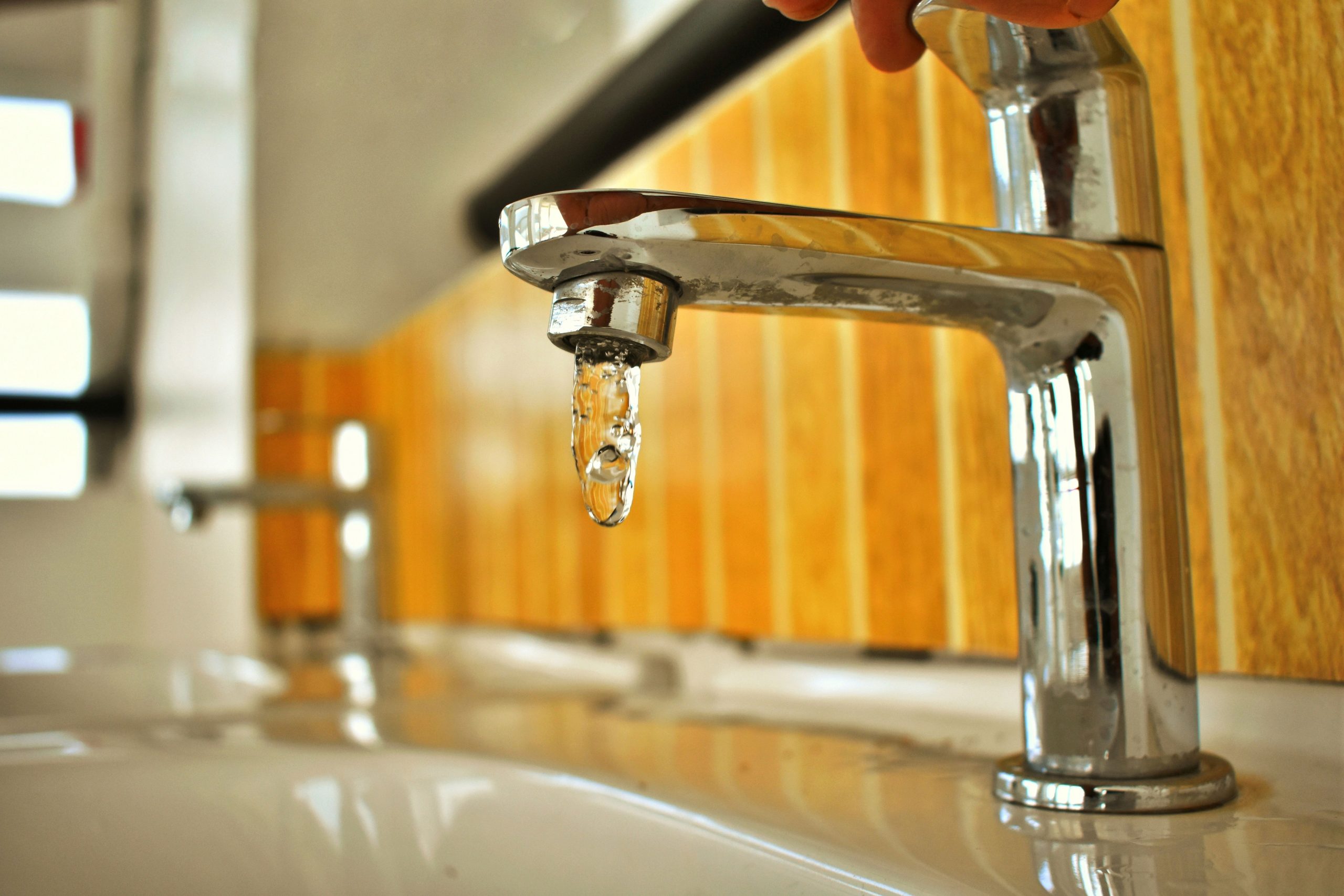
A dripping faucet may seem like a minor annoyance, but it can waste water and may indicate a worn component.
Walk through your home regularly and check kitchen, bathroom, laundry, and utility faucets. After turning off a faucet, watch the spout for continued dripping. Look around the base for moisture as well.
Check accessible supply connections under sinks. They should remain dry. Water stains, damp cabinet surfaces, corrosion, or musty odors may point to a slow leak.
Some faucet problems can be solved by replacing a washer, cartridge, or seal. However, the correct repair depends on the faucet design.
If you are unsure how a fixture works, avoid forcing it apart. A minor leak can become worse if a fitting or valve is damaged during an attempted repair.
Address persistent leaks instead of simply placing a container underneath them.
2. Look Under Sinks for Hidden Moisture
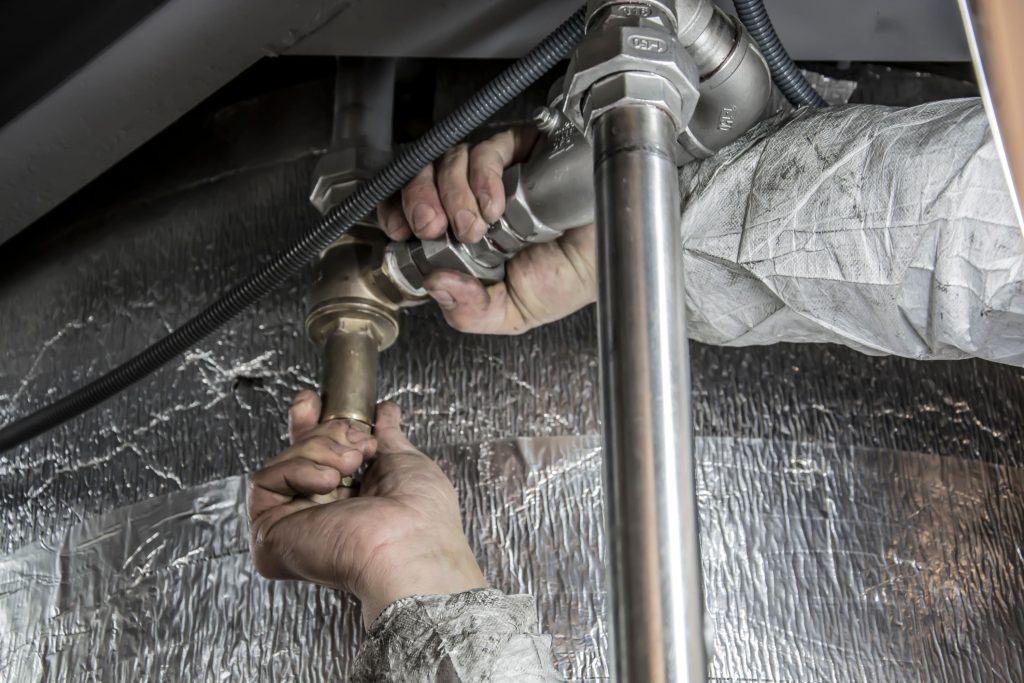
Cabinets under sinks can hide plumbing problems until damage becomes noticeable.
Remove enough stored items to clearly see the pipes, valves, and cabinet floor. Look for droplets, stains, warped wood, peeling surfaces, corrosion, or signs of excess moisture.
A dry paper towel can help detect small leaks around accessible connections.
Pay attention to odors too. A musty smell may indicate moisture even when you cannot see a puddle.
Avoid packing cabinets so tightly that plumbing cannot be inspected. Cleaning products and other supplies should not push against pipes or valves.
If you find moisture, dry the area and see whether the water returns. Persistent leaks should be repaired promptly because even a small amount of water can eventually damage cabinets, walls, and flooring.
3. Watch for Changes in Water Pressure
Changes in water pressure can provide clues about plumbing problems.
If one faucet suddenly has weak flow, the problem may be limited to that fixture. A clogged aerator or partially closed valve could be responsible.
If pressure drops throughout the home, there may be a larger issue involving the water supply, pressure regulator, pipes, or a hidden leak.
Very high water pressure can also cause problems because it places additional stress on fixtures, valves, and appliance connections.
Pay attention when pressure changes unexpectedly rather than assuming the problem will disappear.
A plumber can measure household water pressure and determine whether repairs or adjustments are necessary.
Adding plumbing inspections to a broader home repair and upgrade guide can also help you track pressure changes along with other routine maintenance tasks.
4. Keep Drains Clear
Drain problems are often easier to prevent than repair.
In the kitchen, avoid pouring grease, cooking oil, or fat down the sink. These substances can cool and stick inside pipes, contributing to blockages.
Use drain strainers to catch food scraps. In bathrooms, strainers can help prevent hair and other debris from entering drains.
Clean strainers regularly so water can continue flowing freely.
Toilets should also be used carefully. Avoid flushing wipes, paper towels, hygiene products, and other materials that can contribute to blockages.
Be cautious with chemical drain cleaners. They may not solve the underlying cause of repeated clogs and can present safety concerns if used improperly.
If one drain repeatedly clogs or several drains become slow at the same time, contact a plumber. The problem may be deeper within the plumbing system.
5. Pay Attention to Slow Drains
A slow drain is often an early warning sign.
Do not wait until the sink, tub, or shower stops draining completely. Check for visible debris near the drain opening and remove accessible hair or buildup when safe to do so.
Listen for unusual gurgling noises as water drains. Gurgling combined with slow drainage or unpleasant odors may indicate a larger plumbing issue.
Several slow drains at once may suggest a problem with a main drain or sewer line rather than individual fixtures.
Repeated backups should never be considered normal.
Professional evaluation may be necessary when basic cleaning does not solve the problem. Addressing slow drains early may help prevent messy overflows and more complicated repairs.
6. Inspect Toilets for Leaks and Running Water
Toilets can develop problems that waste water or damage nearby flooring.
Listen after flushing. The toilet should refill and then stop running. If water continues flowing, a component inside the tank may be worn or misaligned.
Check around the toilet base for moisture, staining, or soft flooring.
A toilet that moves when you sit on it also deserves attention because movement may affect the seal between the toilet and drain.
Parts such as flappers and fill valves can wear out over time. Some repairs are relatively simple, while leaks around the base may require professional help.
Do not ignore frequent clogs either. A properly working toilet should flush consistently without repeated plunging or adjustments.
7. Know Where the Main Water Shutoff Is
Knowing how to shut off your home’s water can limit damage during a plumbing emergency.
Find the main water shutoff before you need it. Depending on the home, it may be located in a basement, garage, utility area, crawl space, or near where the water line enters the building.
Keep the area accessible instead of blocking it with boxes or furniture.
You should also identify individual shutoff valves for sinks, toilets, and appliances when available.
If a valve is heavily corroded, damaged, or difficult to operate, ask a plumber to inspect it. Avoid forcing a stuck valve because it could break.
Household members who are able to respond during an emergency should know where the main shutoff is and how it works.
8. Check Appliance Water Connections
Washing machines, dishwashers, refrigerators with ice makers, and other appliances may have water connections that can leak.
Inspect visible hoses, valves, and fittings for cracks, bulges, corrosion, or moisture. Check nearby flooring and walls for water stains.
Washing machine hoses deserve particular attention because a failed hose can release significant amounts of water.
Follow manufacturer recommendations for inspecting and replacing hoses and related components.
When updating a laundry room or kitchen, improving accessible water connections can be one of several affordable property enhancements that support both convenience and preventive maintenance.
Do not disconnect plumbing unless you understand how to shut off the water and reconnect everything correctly. Hire a qualified professional when necessary.
9. Monitor Your Water Heater
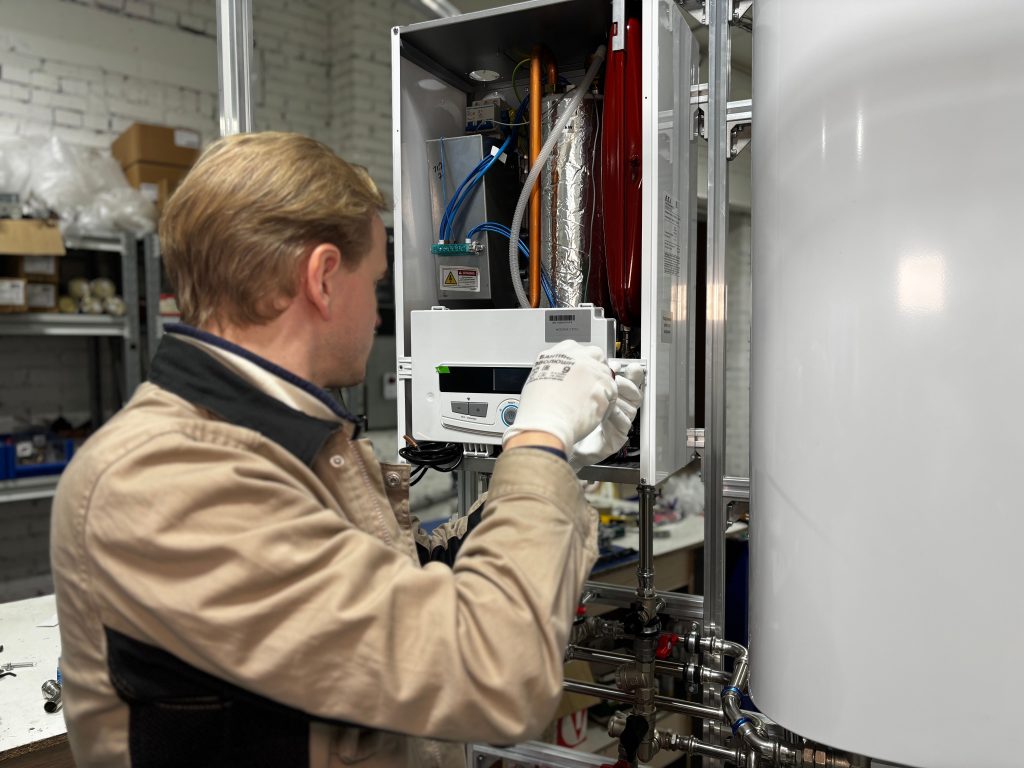
Include your water heater in routine plumbing inspections.
Look around the unit for puddles, dripping connections, rust, or corrosion. Pay attention to unusual noises or noticeable changes in hot water performance.
Water collecting around the heater should be investigated promptly.
Maintenance requirements depend on the type of water heater. Some systems may benefit from periodic flushing or other service, but procedures vary.
Follow manufacturer instructions and use professional service when necessary.
Do not attempt repairs involving gas, electrical components, or pressure relief systems unless you are properly qualified.
Keeping the area around the water heater clear can also make inspections easier and help you notice leaks sooner.
10. Look for Signs of Hidden Leaks
Not every leak occurs where you can easily see it.
Watch for unexplained water stains on ceilings or walls, bubbling paint, peeling surfaces, warped flooring, or areas that remain unusually damp.
A sudden increase in your water bill can also be a warning sign if household water use has not changed.
Listen for water sounds when faucets, toilets, and appliances are not running. Musty odors may indicate hidden moisture as well.
Water can travel away from the damaged pipe before becoming visible, making the source difficult to locate.
If you suspect a hidden leak, professional leak detection may be more effective than opening walls randomly.
Finding the problem early can limit damage and reduce the amount of repair work required.
11. Protect Pipes During Cold Weather
Homes in freezing climates need additional plumbing protection.
Water expands when it freezes. If water inside a pipe freezes, pressure can build and cause the pipe to crack or burst.
Insulate vulnerable pipes based on local conditions. Disconnect outdoor hoses before freezing temperatures arrive and follow appropriate winterization procedures for exterior plumbing.
Keep indoor temperatures at a safe level even when you are away.
If a pipe appears frozen, never use an open flame to thaw it.
If you are unsure which pipes are vulnerable, ask a local plumber for guidance. The correct preparation depends on your climate, home design, insulation, and plumbing layout.
Preparing ahead of freezing weather is much easier than dealing with water damage from a burst pipe.
12. Create a Plumbing Maintenance Schedule
Routine maintenance becomes easier when you follow a simple schedule.
Once a month, check visible faucets, sinks, toilets, appliance connections, and areas around the water heater for moisture.
Every few months, clean drain strainers and faucet aerators as needed. Pay attention to slow drains and changes in water pressure.
Seasonal checks can include outdoor plumbing, irrigation systems, and cold-weather preparation where appropriate.
Keep records of repairs and professional plumbing work. Note when major fixtures, appliances, or the water heater were installed or replaced.
A digital document, calendar reminder, spreadsheet, or home maintenance binder can help.
The system does not need to be complicated. The goal is simply to inspect plumbing often enough that gradual problems are less likely to go unnoticed.
Know When to Call a Professional
Basic observation and cleaning can handle some preventive maintenance, but certain plumbing problems need professional attention.
Call a plumber for repeated drain backups, unexplained pressure changes, persistent leaks, sewer odors, major corrosion, burst pipes, or water damage with an unknown source.
Professional help may also be needed when plumbing is moved or replaced during a renovation.
Gas water heaters, sewer lines, concealed pipes, and main water lines may involve additional safety concerns. Improper repairs can create larger problems and may fail to meet local requirements.
When contacting a plumber, explain what you noticed and when the problem started. Photos and previous repair records may also be useful.
Knowing when not to attempt a repair yourself is an important part of responsible home maintenance.
Conclusion
Home plumbing systems do not need constant attention, but routine checks can help you catch leaks, clogs, pressure changes, and worn connections before they become larger problems.
Check faucets and areas under sinks for moisture. Watch how quickly drains empty, listen for running toilets, inspect appliance connections, and know where your main water shutoff is located.
Pay attention to your water heater and signs of hidden leaks, including stains, unusual odors, and unexpected changes in water use. Homes in freezing climates should also prepare vulnerable pipes before cold weather arrives.
Most importantly, create a maintenance routine you can realistically follow. A short inspection each month can be easier and less expensive than dealing with serious water damage later.
Homeowners can perform many basic preventive checks themselves, but persistent leaks, repeated backups, sewer problems, and complicated repairs deserve professional attention. Regular observation and timely repairs can help keep your plumbing reliable while protecting your home from avoidable damage.