
Managing household utility expenses effectively requires a proactive, strategic approach to home system care rather than waiting for major breakdowns to occur. Energy and water utility bills represent some of the most consistent, recurring costs in any household budget. Heating, air conditioning, water heating, and indoor plumbing systems operate continuously behind the scenes to maintain daily living comfort. However, when these critical systems suffer from minor neglect—such as clogged air filters, scaled heating elements, low refrigerant charges, or hidden pipe trickles—their operational efficiency plunges rapidly. This hidden inefficiency forces equipment to draw significantly more electricity, natural gas, and municipal water just to maintain baseline household performance, quietly draining hundreds of dollars from your wallet every year.
Unlocking substantial monthly savings does not require sacrificing everyday indoor comfort or undertaking cost-prohibitive structural renovations. Instead, mastering practical utility hacks centers around optimizing the mechanical performance of existing household equipment through smart preventative maintenance and targeted technical tune-ups. Addressing minor mechanical friction early removes unnecessary strain from electric motors, compressor pumps, and burner assemblies. By keeping air distribution channels clear, combustion chambers calibrated, and water supply lines free of mineral scale, homeowners ensure that every dollar spent on monthly utility services translates directly into efficient, effective household performance.
Executing a high-yield utility savings strategy depends on combining simple DIY habits with certified trade expertise across climate control and plumbing disciplines. Coordinating seasonal system tune-ups, rapid leak repairs, equipment efficiency audits, and preventative pipe care creates a lean, high-performance home environment. Taking a disciplined, budget-focused approach to household infrastructure management protects your hard-earned equity, shields your monthly finances against unexpected emergency fees, and guarantees that your living space remains comfortable, efficient, and affordable through every season of the year.
Optimizing Seasonal Climate Inspections to Prevent Excess Energy Draw
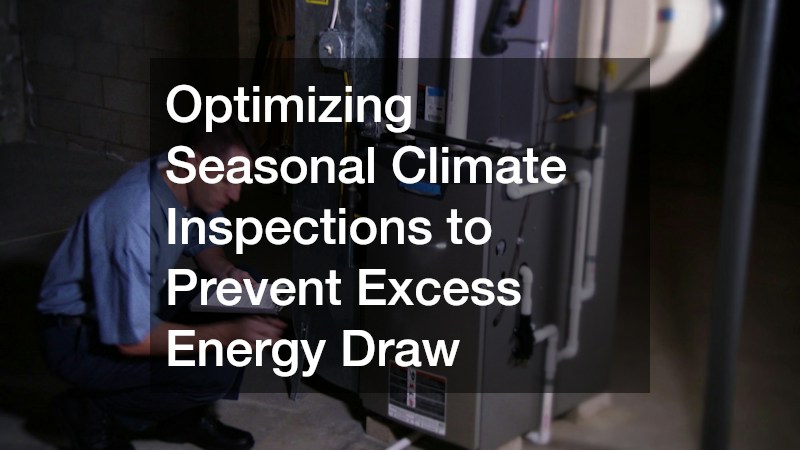
Central heating and cooling systems consume more electrical energy and fossil fuel than almost any other appliance network in a typical residence. Over months of continuous seasonal operation, dust, pet dander, and environmental debris accumulate on internal blower wheels, electrical relays, and burner assemblies. This physical buildup creates mechanical resistance, forcing electric motors to draw excessive amperage and causing furnaces to run elongated heating cycles to reach target thermostat temperatures.
Scheduling a comprehensive HVAC service call before peak weather sets in ensures that internal electrical connections are tightened, blower assemblies are cleaned, and safety switches are thoroughly tested. Certified technicians utilize specialized diagnostic meters to verify motor capacitors and measure temperature splits across heat exchangers, ensuring that energy conversion remains as efficient as possible. Eliminating internal friction allows your climate control equipment to maintain comfortable indoor temperatures while consuming minimal utility power.
Establishing a consistent schedule for professional climate tune-ups extends the overall operational lifespan of expensive mechanical assets while preventing sudden component burnout during severe weather extremes. Clean, well-calibrated heating units operate smoothly and quietly, providing even warmth across every living zone without driving up natural gas or electric bills. Routine technical checks represent one of the highest-yield preventative hacks for managing monthly utility overhead.
Restoring Cooling Performance During Peak Summer Heatwaves
During hot, humid summer months, central air conditioning systems work under extreme pressure to extract thermal energy and moisture from indoor living environments. If condenser coils located on the outdoor unit become caked with yard dirt, grass clippings, or fallen leaves, heat transfer is severely restricted. This forces the cooling compressor to operate at dangerously elevated head pressures, leading to excessive power consumption, poor cooling output, and potential thermal overload failures.
Booking a professional AC repair service resolves subtle cooling degradations, replaces failing contactor switches, and cleans outdoor coil fins using specialized non-acidic foaming cleansers. Trained technicians measure exact refrigerant subcooling and superheat levels, sealing minor line-set leaks and restoring precise chemical balances necessary for efficient heat exchange. Prompt technical adjustments eliminate extended cooling cycles, bringing summer electric bills back down to reasonable baselines.
Resolving cooling bottlenecks quickly protects expensive compressor motors from permanent heat damage while restoring crisp, refreshing air delivery to every room. Proper coil maintenance and accurate refrigerant charges allow your air conditioner to dehumidify indoor spaces far more effectively, permitting you to set your thermostat a few degrees higher without sacrificing daily comfort. Smart technical care keeps summer cooling costs low and manageable.
Balancing Air Distribution Channels to Eliminate Utility Waste
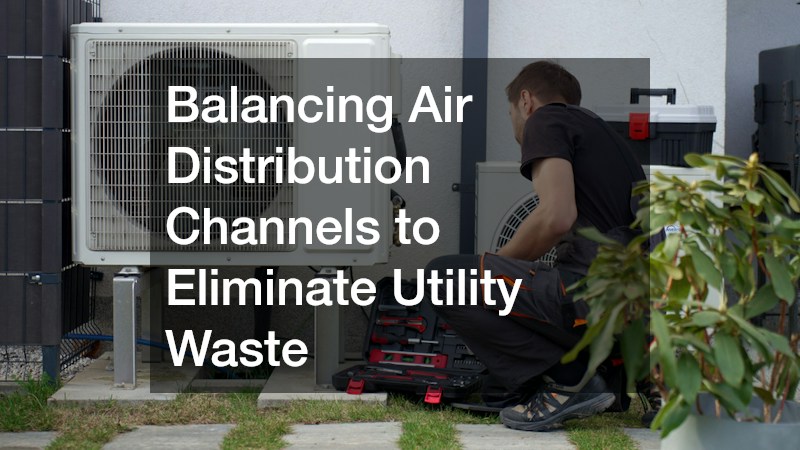
Even the most technologically advanced, energy-efficient climate system will waste energy if the ductwork network distributing conditioned air throughout your home is compromised. Unsealed duct joints, disconnected branch lines, and crushed flex-ducts allow conditioned hot or cool air to escape into unconditioned attic or crawlspace voids rather than reaching interior living quarters. This loss forces systems to run constantly to satisfy room thermostats.
Investing in complete HVAC services enables qualified technicians to conduct airflow audits, static pressure tests, and duct leakage inspections across your home’s entire ventilation framework. Specialists seal leaking sheet metal joints with durable mastic sealants, re-insulate exposed ductwork runs, and adjust balancing dampers to distribute airflow proportionally across every room. Optimizing air distribution mechanics ensures that every cubic foot of conditioned air reaches your living space directly.
Balancing room air pressures prevents unconditioned outside air from being sucked into your home through window frames and exterior door gaps. Proper duct sealing and balancing reduce overall system run times, lowering monthly utility costs while eliminating frustrating hot or cold spots in upstairs bedrooms. Sealing ventilation distribution channels is a high-yield utility hack that delivers immediate comfort and financial savings.
Maintaining Consistent Airflow Dynamics for Low-Cost Operation
Consistent, unrestricted airflow is the absolute lifeblood of an efficient residential climate control system. Restricted airflow caused by dirty, neglected air filters or blocked return vents causes evaporator coils to drop below freezing temperatures, leading to ice buildup that completely blocks air passage and can cause severe liquid slugging inside the compressor motor.
Scheduling routine AC services ensures that air filters are replaced with correctly rated MERV units, condensate drain lines are flushed to prevent water backups, and evaporator coils are treated with non-rinse antimicrobial cleansers. Experienced technicians verify that return air grilles remain unblocked by furniture or drapes, allowing the system to breathe freely and maintain optimal static pressures. Proper airflow management keeps energy draw low and cooling performance high.
Taking proactive care of air filtration and airflow pathways protects sensitive electronic control boards and prevents unexpected system shut-offs during high-humidity weather. Clean air channels also dramatically improve indoor air filtration, capturing floating dust and allergens before they recirculate through your living area. Maintaining smooth airflow is a simple, budget-conscious practice that preserves mechanical efficiency year after year.
Evaluating System Efficiency Ratings Across Service Enterprises
When primary heating or cooling equipment approaches the end of its useful lifespan, continuing to pour money into repeated repairs on an inherently inefficient 10 SEER or 80% AFUE unit often results in terrible financial return. Modern high-efficiency systems offer SEER2 ratings exceeding 18 and AFUE ratings above 95%, utilizing variable-speed inverter compressors and modulating gas valves to consume a fraction of the utility energy required by older models.
Comparing offerings from reputable air conditioning companies allows property owners to analyze calculated energy payback periods, seasonal operating costs, and available utility rebate incentives across various replacement models. Certified cooling specialists perform detailed Manual J load calculations to size equipment precisely to your home’s square footage, ensuring you do not overpay for oversized units that short-cycle and waste power. Informed equipment selection guarantees long-term utility bill reductions.
Partnering with established equipment providers ensures that new climate control assets are installed with strict adherence to manufacturer specifications, optimizing thermal efficiency from day one. High-efficiency cooling units operate with whisper-quiet sound levels while delivering superior humidity control during muggy summer weather. Investing in modern high-efficiency climate technology locks in low energy bills for the next decade.
Partnering with Dedicated Mechanical Enterprises for Ongoing Care
Maintaining low utility costs requires consistent, long-term care rather than piecemeal, sporadic fixes performed by unvetted trade workers. Managing complex inverter-driven climate technology, smart learning thermostats, and zoned dampening systems demands an ongoing relationship with a dedicated mechanical enterprise that maintains detailed records of your home’s service history and equipment performance trends.
Consulting an established HVAC company provides access to structured annual maintenance agreements that include discounted repair rates, priority seasonal scheduling, and comprehensive multi-point system tune-ups. Professional service teams utilize advanced diagnostic technology to track minor component wear, testing electrical resistance and mechanical tolerances before parts fail completely. Structured technical oversight ensures that your heating and cooling equipment maintains its factory efficiency ratings over time.
Fixing Compressor and Coil Failures to Restore Efficiency
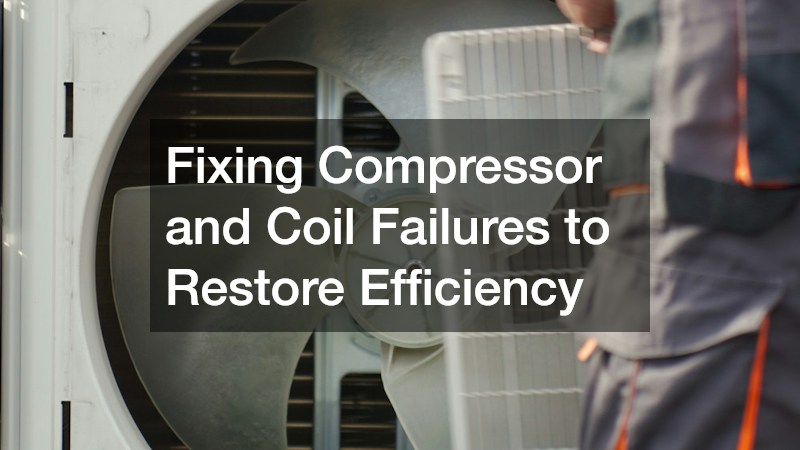
When central cooling units develop mechanical or electrical faults—such as burnt contactor points, failing run capacitors, slipping fan belts, or minor refrigerant leaks—their operational efficiency drops instantly. A system operating with a failing capacitor or dirty coils can consume up to 30% more electricity while delivering only a fraction of its rated cooling capacity, turning your monthly utility statement into an expensive surprise.
Arranging for prompt air conditioning repair services halts excessive energy consumption by replacing worn electrical components, recalibrating expansion valves, and repairing damaged coil fins cleanly. Certified repair technicians diagnose electrical draw using clamp meters, ensuring that motors run within specified manufacturer parameters without overheating. Timely technical intervention stops minor component strain from causing catastrophic compressor failure.
Upgrading Water Supply Infrastructure to Prevent Utility Waste
Plumbing systems represent the second major driver of monthly household utility expenses, accounting for substantial water supply and water heating costs. Aged galvanized pipes, corroded copper joints, or failing pressure-reducing valves can allow incoming municipal water pressure to exceed safe residential limits. Excessively high water pressure stresses pipe joints, causes noisy water hammer, and wastes thousands of gallons of water annually through faucets and toilet fill valves.
Hiring a qualified plumbing contractor allows homeowners to conduct whole-house water pressure audits, inspect main shutoff valves, and install modern pressure-reducing valves set to optimal residential levels. Experienced plumbing contractors inspect hidden supply lines, replace corroded sections with smooth PEX piping, and install shutoff manifolds that allow individual fixture isolation. Regulating supply pressure protects delicate appliances and prevents excessive water volume from flowing down the drain unnecessarily.
Resolving Urgent Pipe Leaks and Drain Backups Without Delay
A running toilet caused by a worn flapper valve can waste over 200 gallons of water per day, adding hundreds of dollars to a single quarterly water bill if left unchecked. Even more severe are sudden pipe bursts, leaking water heater relief valves, or mainline sewer backups that threaten immediate, catastrophic water damage to finished living areas, drywall, and hardwood flooring.
Securing access to reliable local emergency plumbers guarantees rapid technical intervention when sudden leaks, burst supply lines, or major drain obstructions occur. Emergency plumbing crews arrive equipped with specialized pipe repair clamps, high-capacity drain augers, and electronic leak detection equipment to isolate and fix water loss instantly. Rapid emergency response stops active water destruction and halts sky-high water meter spinning immediately.
Maintaining Whole-House Plumbing Networks to Stop Trickle Losses
Slow, minor trickles from kitchen faucets, shower heads, and under-sink drain connections may seem like minor cosmetic annoyances, but collectively they account for thousands of gallons of clean water wasted down household drains every year. Furthermore, uninsulated hot water supply pipes lose thermal energy rapidly as water travels from the heater to distant bathrooms, forcing homeowners to run taps for minutes while waiting for hot water to arrive.
Booking comprehensive plumbing services allows licensed technicians to replace worn faucet cartridges, install high-efficiency aerators, fit low-flow showerheads, and insulate exposed hot water lines with foam pipe sleeve insulation. Plumbing specialists inspect water heater tanks for sediment buildup, replacing worn anode rods and flushing thermal storage units to restore fast heating recovery rates. System-wide plumbing care eliminates hidden water waste and reduces water heating energy requirements simultaneously.
Optimizing whole-house plumbing efficiency delivers immediate reductions in both monthly water bills and natural gas or electric heating expenses. Installing modern low-flow fixtures maintains strong, satisfying spray pressure while using significantly less water volume per minute. Whole-house plumbing maintenance represents a low-cost, high-yield utility hack that pays for itself continuously through lower monthly bills.