
True home comfort is far more than a subjective feeling or a matter of decorating preferences. It is the tangible result of how well your living spaces manage heat, airflow, moisture, structural integrity, and daily functionality. When a room feels drafty, stuffy, dim, noisy, or perpetually cluttered, the cause almost always traces back to a breakdown in hidden mechanical infrastructure or outdated architectural elements. A home operates as an interconnected ecosystem, where the performance of a basement utility unit directly affects bedroom air quality, and the finish on a high-traffic floor influences how clean and welcoming your entryways feel.
Creating an exceptionally comfortable home requires a dual approach: maintaining the essential mechanical equipment that regulates climate and pure water, alongside implementing targeted architectural upgrades that streamline everyday routines. Focusing strictly on cosmetic updates while ignoring aging utilities often leads to beautiful rooms that remain uncomfortable to live in. Conversely, maintaining mechanical efficiency without addressing worn surfaces or awkward layouts leaves a house feeling functional yet uninspiring. By systematically addressing energy performance, air purity, water delivery, and durable surface design, you can transform every room into an inviting, high-performing sanctuary tailored for effortless living.
Climate & Airflow Optimization

A home’s climate control system is the central engine of daily comfort, responsible for regulating ambient temperatures, circulating fresh air, and balancing interior humidity. When HVAC systems operate inefficiently, rooms experience severe temperature swings, uneven air distribution, and elevated dust levels. Achieving consistent thermal performance across every square foot begins with understanding how air moves through your home. Static pressure imbalances, unsealed ductwork, and dirty coils force heating and cooling units to work significantly harder, leading to shortened equipment lifespans and uncomfortable living environments.
Regular preventative care keeps climate systems running cleanly and quietly throughout extreme weather cycles. While basic tasks like changing air filters every ninety days can be handled independently, complex mechanical components demand specialized attention to maintain optimal thermodynamic efficiency.
- Inspect all exposed ductwork in basements, attics, and utility closets for visible gaps or failing tape, sealing seams with mastic sealant to prevent pre-conditioned air from escaping into unconditioned spaces.
- Clear heavy dust, pet hair, and debris from supply vents and return grilles across all rooms to ensure balanced static pressure and unimpeded air circulation.
- When central cooling systems struggle to manage indoor humidity or fail to lower bedroom temperatures during peak summer heat, arranging professional air conditioning repairs restores refrigerant pressure, cleans blocked evaporator coils, and resolves electrical failures before complete system breakdowns occur.
- Schedule yearly inspections with certified technicians offering comprehensive heating services to clean furnace burner assemblies, verify heat exchanger integrity, calibrate ignition controls, and ensure safe, efficient operation ahead of cold winter months.
- Install programmable or smart zonal thermostats to create customized heating and cooling schedules based on room occupancy, reducing system strain while maintaining optimal temperatures when spaces are in active use.
- Vacuum supply and return registers monthly to prevent dust buildup from restricting fresh air distribution throughout bedrooms and common areas.
- Upgrade standard furnace air filters to pleated MERV 11 or MERV 13 options to trap microscopic pet dander, pollen, and airborne particles.
- Check ceiling fan rotational directions, running them counterclockwise at higher speeds during summer to create a cooling wind-chill effect, and clockwise at low speeds in winter to push warm air downward.
Properly maintained heating and cooling units do more than just stabilize room temperatures; they actively filter incoming air, control latent moisture levels, and protect sensitive building materials from extreme temperature shifts. Investing in routine mechanical upkeep ensures every room maintains a steady, restful environment regardless of outside weather conditions.
Whole-Home Moisture Control & Air Quality
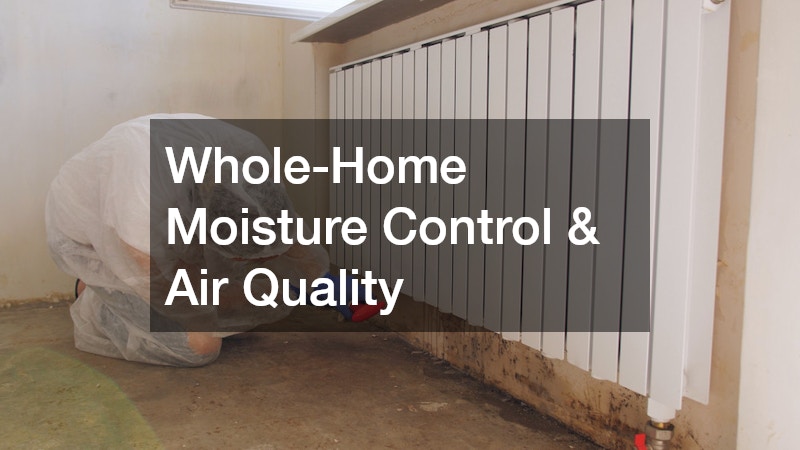
Indoor air quality and moisture balance are fundamental to home health and human comfort. Uncontrolled humidity creates a heavy, warm environment, accelerates the deterioration of building materials, and provides ideal conditions for biological growth. Dampness frequently originates in below-grade areas like basements and crawl spaces, where groundwater pressure forces moisture through porous concrete foundations. From there, warm, damp air naturally rises through the house via stack effect, carrying microscopic particles, musty odors, and excess moisture directly into main-floor bedrooms and living areas.
Controlling moisture requires a strict protocol that combines active dehumidification, proper ventilation, and aggressive remediation whenever damp conditions linger. Ignoring localized moisture issues can lead to widespread structural damage and compromised indoor air purity that affects every occupant in the home.
- Monitor indoor relative humidity levels across every story using digital hygrometers, aiming to maintain a consistent indoor baseline between thirty and fifty percent year-round.
- Run heavy-duty, low-temperature dehumidifiers in subterranean areas, directing condensation runoff directly into floor drains or sump pits to continually pull ambient moisture from surrounding concrete.
- If persistent dampness or past flooding triggers widespread spore growth across interior structural elements, hiring an experienced mold remediation service ensures comprehensive air testing, negative air pressure containment, and precise environmental controls to stop spreading contamination.
- When visible structural growth embeds deeply into porous drywall, subfloors, or wall studs, utilizing certified mold removal services ensures that affected building materials are safely stripped, bagged, and removed using industrial HEPA vacuums and EPA-registered antimicrobial treatments.
- Apply commercial-grade vapor barriers over exposed dirt floors in crawl spaces and seal foundation rim joists with expanding spray foam to shut down pathways for exterior ground moisture.
- Install automatic sump pumps with battery-powered backup systems in subterranean pits to prevent basement flooding during sudden seasonal downpours.
- Ensure rain gutter downspouts discharge runoff water at least six feet away from your home’s concrete foundation to minimize hydrostatic groundwater pressure.
- Seal perimeter expansion joints and foundation wall hairline cracks using flexible polyurethane masonry sealant to shut out sub-grade dampness.
Eliminating trapped moisture and airborne contaminants purifies the air circulating throughout the entire home structure. Removing musty smells and protecting building materials from decay yields fresh, clean indoor air that makes every living space noticeably healthier and more comfortable to inhabit.
Bathroom Utility & Aesthetics
Bathrooms serve as critical utility hubs where functional efficiency directly shapes your daily start and finish. An uncomfortable bathroom often suffers from poor spatial organization, inadequate light, poor water pressure, or unreliable hot water delivery. Because these spaces handle heavy daily moisture and high foot traffic, every fixture and surface must be chosen for maximum durability, ease of maintenance, and ergonomic comfort. Upgrading a bathroom’s core utility fixtures turns a utilitarian space into a comfortable, seamless spa-like environment.
Water delivery is the single most important technical aspect of bathroom performance. Nothing disrupts morning routines faster than inconsistent water temperatures, slow recovery times, or sudden drops in pressure caused by failing mechanical components within your plumbing infrastructure.
- Flush traditional tank-style water heating units annually to remove accumulated mineral sediment, which degrades heating element efficiency, creates rumbling noises, and reduces available hot water capacity.
- When shower water fluctuates unpredictably between scalding and freezing or tanks begin leaking around inlet valves, scheduling timely water heater repairs prevents catastrophic tank failure and restores consistent, rapid hot water recovery.
- Replace worn-out, traditional shower curtains that trap moisture and cast dark shadows with frameless custom shower glass doors, which maximize light transmission, make smaller bathrooms feel physically spacious, and keep splash water strictly within tiled wet areas.
- Mount high-capacity, low-sone exhaust fans wired to automated humidity-sensing switches to clear steam instantly, preventing condensation from settling on cold mirror surfaces and ceiling drywall.
- Lay electric radiant floor heating mats beneath tiled floors during renovations, providing warm underfoot comfort on cold mornings while accelerating floor drying times after showers.
- Swap out standard showerheads for thermostatic pressure-balancing valve fixtures that maintain exact water temperatures even when other appliances run.
- Apply silicone sealant along bath enclosure perimeters and vanity backsplashes to block water seepage from damaging wallboard and subflooring.
- Upgrade vanity mirror lighting with dimmable, high-CRI LED fixtures that provide soft, flattering illumination without creating harsh shadows during morning grooming.
Streamlining water management and modernizing spatial boundaries transforms the bathroom experience. Removing friction from daily hygiene routines ensures that high-moisture spaces remain bright, clean, highly functional, and completely comfortable.
Kitchen Workflows & Hydration
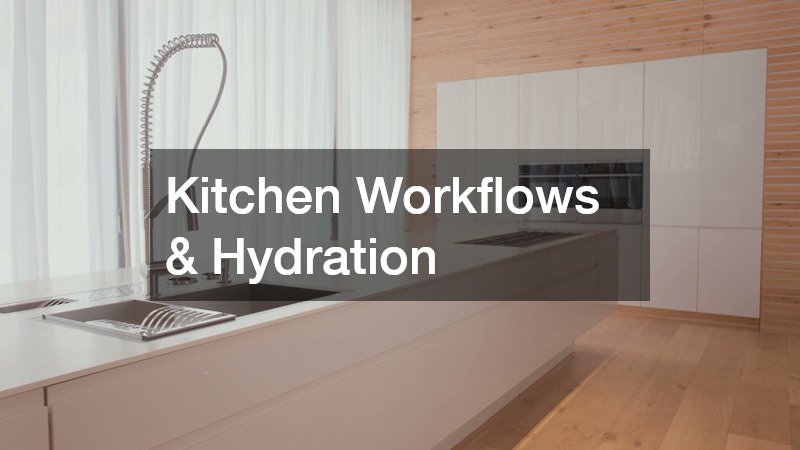
As the functional center of the modern home, the kitchen demands a harmonious blend of heavy-duty utility and smooth operational workflow. Cooking, cleaning, and meal preparation require clear spatial divisions, durable, non-porous surfaces, and immediate access to pure, clean water. A poorly designed kitchen causes physical fatigue through awkward layouts, dim task lighting, or surfaces that easily stain, chip, or trap bacteria. Updating key kitchen infrastructure streamlines meal preparation while elevating overall home health and comfort.
Water purity directly influences overall wellness and culinary quality. Municipal water supplies and rural well systems frequently carry dissolved minerals, chlorine additives, or micro-contaminants that affect drinking taste and leave stubborn mineral deposits on fixtures and cookware.
- Test incoming water supplies for total dissolved solids, hardness minerals, and chlorine content to choose the exact purification media required for your household needs.
- Install high-performance under-sink reverse osmosis systems or heavy-duty local water filters to supply clean, taste-free drinking water directly to dedicated culinary taps and ice makers.
- Upgrade outdated, scratched laminate or high-maintenance tile counters by contracting certified countertop installers to cut, fit, and seal durable, non-porous quartz or granite slabs that comfortably withstand hot cookware and heavy prep work.
- Install continuous LED strip lighting under upper cabinetry to illuminate counter prep zones, eliminating dark shadows cast by central ceiling fixtures.
- Retrofit existing cabinet drawers and pantry doors with soft-close hardware and pull-out shelving organizers to reduce kitchen noise and eliminate uncomfortable bending or reaching.
- Fit pull-out dual trash and recycling bins inside lower cabinets near prep zones to keep floor space completely clear and odors contained.
- Mount wall-hung magnetic tool strips or pot racks near cooking ranges to keep frequently used culinary gear accessible without cluttering workspaces.
- Add a quiet, high-torque garbage disposal with sound-insulating casing to quickly clear food waste while preserving a peaceful kitchen environment.
Combining pure, filtered water delivery with resilient, beautifully fitted work surfaces elevates the entire kitchen experience. These targeted functional upgrades lower everyday stress, streamline cleanup, and establish an inviting atmosphere for cooking and gathering.
High-Traffic Floor Integrity & Transitions

The comfort of a home depends heavily on how seamlessly people move between rooms, levels, and entry points. High-traffic transition spaces—such as entry foyers, staircases, basements, and attached garages—take the absolute brunt of daily foot traffic, drag-in dirt, and structural wear. Squeaky steps, slippery finishes, or cracked concrete floors degrade a home’s visual appeal while presenting real safety hazards. Reinforcing these structural foundation areas creates a sense of solid, quiet, and effortless movement throughout the entire residence.
Staircases act as primary architectural spines, connecting living areas across multi-level structures. Worn treads, loose handrails, or squeaky risers create unwanted structural noise that travels through floor joists into adjacent bedrooms and living spaces.
- Replace creaky, worn, or carpeted stair treads with precision-built custom stairs and railings designed to reduce structural flex, dampen footstep noise, and provide rigid, ergonomic hand support between levels.
- Protect concrete garage floors, mudrooms, and utility basements from road salt, oil stains, and moisture penetration by applying professional epoxy flooring services that create seamless, chemical-resistant, and easy-to-clean surfaces.
- Install motion-activated, low-profile LED step lights along stair risers and dark hallway corridors to provide safe navigation during nighttime hours without illuminating harsh overhead lights.
- Place heavy-duty, weather-resistant entry mats and custom built-in bench seating near primary entry doors to encourage shoe removal, keeping outside dirt from spreading onto interior living room flooring.
- Apply dense acoustic underlayments beneath hardwood or luxury vinyl tile floors during updates to dampen impact noise between upper floor bedrooms and main-floor living spaces.
- Install durable commercial-grade aluminum or brass transition strips between differing floor materials to eliminate trip hazards and protect tile or wood edges.
- Apply felt protective pads to the legs of all heavy furniture items to prevent deep scratching on hard-surface flooring during repositioning.
- Embed rubber anti-slip treads on exterior basement steps or outdoor porch stairs to maintain secure traction during wet or icy weather.
Upgrading heavy-use architectural transitions protects your home against premature wear while stabilizing foot traffic pathways. Durable, non-slip surfaces and solid structural transitions make moving through your home feel grounded, safe, and whisper-quiet.
Achieving lasting comfort across every room is an ongoing process of strategic maintenance and purposeful structural upgrades. By looking past surface aesthetics and focusing on core building systems—climate control, moisture management, hot water reliability, water purity, and structural integrity—you build a resilient home environment that actively supports health and everyday well-being. Balanced heating and cooling keep rooms inviting in every season, robust moisture barriers and air filtration protect structural framing and respiratory health, and dedicated surface upgrades streamline high-traffic daily routines.
Taking a systematic approach to home improvement allows you to prioritize high-impact repairs before investing in visual remodels. Audit your home room by room, noting structural noises, drafty corners, water pressure drops, or persistent humidity issues. Addressing foundational mechanics and architectural transition points first creates a high-performing base, ensuring that every future cosmetic improvement contributes to an effortlessly comfortable home.