Transforming an ordinary yard into a personal retreat requires balancing two distinct needs. On Saturday evenings, you want an open, welcoming layout where guests can gather around a grill, share dinner outdoors, and linger near a warm fire without feeling cramped. On quiet Sunday mornings, you want that same yard to feel peaceful, shaded, and secluded enough for reading a book or enjoying coffee in calm solitude.
Most backyards fall short of delivering both experiences because they lack clear spatial planning. A single concrete slab pushed against the back wall of a house leaves furniture exposed to harsh afternoon sun, neighbor sightlines, and bottlenecks near the kitchen door. By breaking your outdoor space into purposeful zones and investing in durable structural upgrades, you can build a yard that handles lively dinner parties and quiet solo downtime with equal ease.
Divide Your Yard into Distinct Entertaining and Quiet Zones
Successful outdoor design starts with how people move through and use the property. Rather than scattering chairs across the grass, divide your square footage into dedicated rooms connected by intuitive pathways. Place active social hubs—such as outdoor kitchens, dining tables, and fire pits—closer to the house so carrying platters and glassware indoors stays effortless. Tuck quiet relaxation nooks, like a shaded hammock stand or Adirondack chairs, toward a quieter corner buffered by evergreens. Before ordering materials or digging into turf, spend a full weekend observing your property at 8:00 AM, noon, 4:00 PM, and dusk to track where harsh western sunlight hits during dinner hours and which direction prevailing breezes carry grill smoke.
- Map primary walkways: Ensure guests can walk from the patio door to the dining table, cooler station, and lawn without squeezing behind occupied chairs.
- Buffer active and quiet spaces: Use raised planters, ornamental grasses, or subtle ground texture changes to separate high-energy gathering spots from restful reading corners.
- Evaluate site drainage and utilities: Before finalizing permanent layouts, consult a seasoned landscaping contractor to assess soil grading, locate underground utility lines, and prevent rainwater from pooling near your foundation.
If your property sits on a slope, uneven terrain can waste prime square footage and make placing dining tables or lounge chairs nearly impossible. Instead of fighting a natural incline, carve the grade into two or three level tiers that feel like distinct outdoor rooms, giving your entertaining and relaxation zones their own natural elevation and visual separation.
- Create flat dining and lounge terraces: Installing a structural retaining wall made from natural stone, poured concrete, or segmental blocks holds back upper soil while creating crisp, level platforms below.
- Build seating directly into stonework: Capping a low terrace wall with smooth bullnose stone at 18 to 20 inches high provides sturdy overflow seating for parties without cluttering the patio with extra folding chairs.
- Integrate recessed step lighting: Tuck low-voltage LED fixtures beneath stone wall caps and stair treads so guests can navigate elevation changes safely after sunset.
Anchor High-Traffic Gathering Areas with Slip-Resistant Hardscapes
Once your layout and grading are established, ground-level hardscapes provide the stable foundation your furniture, grill station, and fire features need. Grass wears down quickly under dining chairs and heavy foot traffic, turning muddy after rainstorms and uneven over time. Stone or paver surfaces eliminate chair wobble, simplify cleanup after spills, and visually anchor your entertaining zones. Because paving materials perform differently depending on climate, sun exposure, and proximity to cooking areas, selecting surfaces that stay comfortable underfoot while standing up to grease splatters, embers, and seasonal freeze-thaw cycles is essential.
- Select heat-tolerant, textured finishes: Light-colored travertine, brushed concrete, and tumbled stone reflect afternoon heat far better than dark slate, keeping surfaces comfortable for bare feet in July.
- Prioritize stain resistance near grills: Seal porous stone around outdoor kitchens and bar counters so marinades, wine, and cooking oils wipe clean without leaving dark spots.
- Install permeable joint systems: Work with experienced paving contractors to ensure proper aggregate sub-base compaction, solid edge restraints, and permeable polymeric sand joints that drain rainwater quickly and prevent patio settling.
Beyond the main patio, secondary lounge areas tucked away from the house only get used if guests can reach them easily without trampling wet grass or mulched beds. Thoughtfully proportioned garden walkways act as visual invitations that draw people deeper into the yard while keeping shoes dry during evening gatherings.
- Keep primary paths generous: Build main walkways at least four feet wide so two people can walk side by side while carrying plates or drinks.
- Frame borders for clear definition: Edge paver or flagstone paths with contrasting soldier-course bricks or steel edging to prevent mulch and gravel from spilling onto walking surfaces.
- Layer low-glare path lighting: Space downward-shielded bollard or mushroom lights every six to eight feet along curves and transitions to guide evening movement without blinding seated guests.
Build Elevated Living Platforms and Overhead Shade for All-Day Comfort
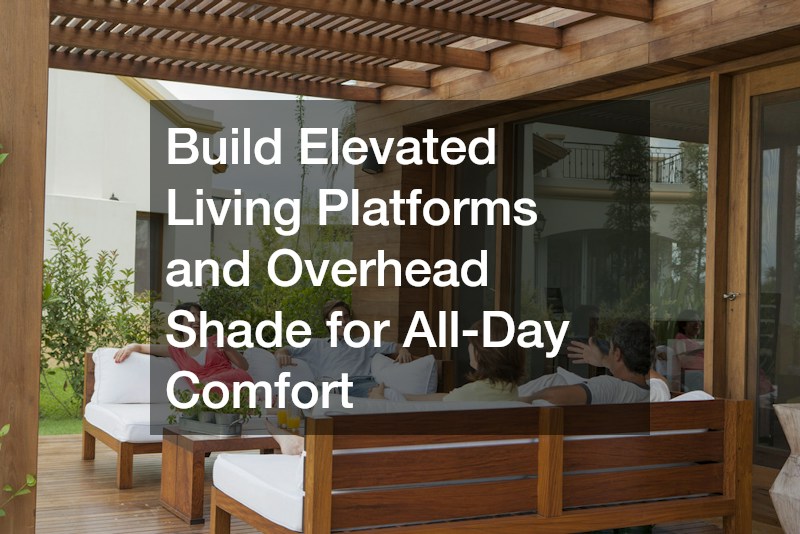
Ground-level patios work well on flat lots, but homes with raised back doors or walkout basements benefit enormously from elevated platforms and overhead architecture. Stepping directly from your kitchen or family room onto a level outdoor platform creates seamless indoor-outdoor flow that encourages daily use, turning an underused backyard into an effortless extension of your main living floor. Vertical structures also add visual dimension to a flat yard while shielding your family and guests from midday UV rays and sudden summer drizzles.
- Compare low-maintenance decking boards: Modern capped composite boards resist fading, staining, and splintering without annual sanding, while dense hardwoods like ipe offer rich grain if you enjoy routine oiling.
- Use concealed fastening systems: Hidden clips lock boards securely to joists without exposed screw heads on the walking surface, giving the floor a clean, furniture-grade finish.
- Maximize structural versatility: Partner with a reliable deck building service to design multi-level transitions, wrap-around stairs, and under-deck drainage systems that keep storage areas or lower patios completely dry.
Even the most comfortable outdoor sofa goes unused at 3:00 PM if direct sunlight turns cushions scorching hot. Adding an overhead shade structure defines the ceiling of your outdoor room, anchors large seating arrangements visually, and drops ambient temperatures by ten degrees or more during peak summer afternoons.
- Evaluate adjustable vs. fixed roofs: Motorized aluminum louvers let you tilt blades to block afternoon glare or close completely during passing rainstorms, whereas heavy cedar rafters create warm architectural character.
- Add retractable fabric canopies: Weaving weather-resistant canvas panels between timber beams lets you slide shade open for stargazing at night and pull it closed during peak heat.
- Wire amenities into the frame: Hire a custom pergola builder to route concealed electrical conduits for outdoor ceiling fans, infrared patio heaters, and dimmable string lights that extend your hosting season into autumn.
Block Street Noise and Neighbor Sightlines to Maximize Seclusion
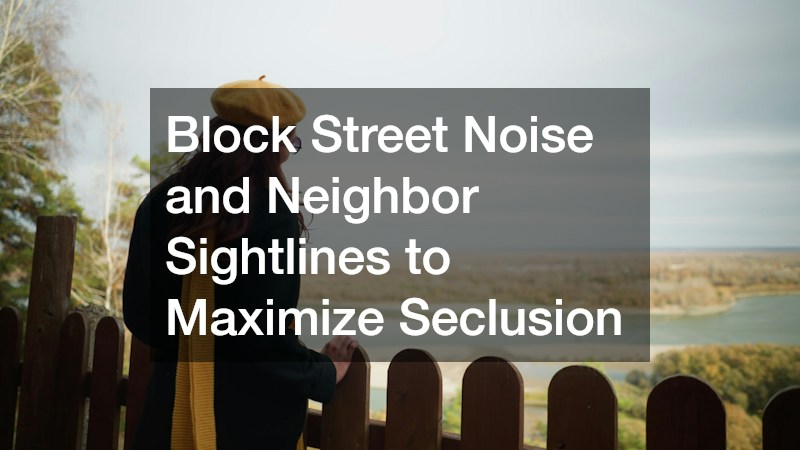
True relaxation is hard to achieve when you feel like you are sitting in a fishbowl. Whether your yard borders a busy street, an alley, or two-story neighboring homes, thoughtful perimeter screening transforms an exposed lot into an intimate sanctuary. Before erecting boundary structures, stand in your main seating areas and look outward at eye level—and slightly upward—to pinpoint exact sightlines needing interruption, rather than overbuilding along sides that already enjoy natural privacy.
- Verify municipal rules first: Check local zoning codes and neighborhood association guidelines regarding boundary heights, corner-lot visibility triangles, and acceptable materials.
- Address sloped boundaries cleanly: Decide whether stepped panels or racked framing following the ground contour will look cleaner along uneven property lines.
- Ensure deep structural anchoring: Bring in a licensed fence contractor to verify property boundaries, set posts below the frost line in concrete footings, and install heavy-duty gate hardware that resists sagging.
Tall perimeter barriers can sometimes feel boxy or imposing if left bare, especially in compact suburban backyards. Blending natural timber warmth with living greenery softens hard boundary lines, adds rich texture behind seating areas, and significantly improves backyard acoustics by absorbing and deflecting ambient neighborhood noise.
- Choose durable, attractive wood species: Western red cedar and redwood wood fences naturally resist rot and insects while offering rich warm tones and solid mass that dampens street noise.
- Balance airflow with privacy: Horizontal slat designs with quarter-inch gaps or board-on-board overlapping pickets block direct views while allowing summer breezes through.
- Dress vertical surfaces with plants and light: Mount cedar trellises along blank sections to support star jasmine or clematis, and install warm upward-aimed accent lights at the base of panels to add depth after dark.
Shape Mature Canopy Trees for Dappled Shade and Overhead Safety
Established trees provide irreplaceable architectural scale, cooling shade, and wildlife habitat that newly planted shrubs take decades to match. However, overgrown canopies can block too much light, drop sap onto furniture, or pose structural risks during high winds. Thoughtful canopy management shapes natural light without stripping away the lush overhead feel that makes a yard feel like a private retreat.
- Thin crowns selectively: Removing select interior branches allows golden, dappled sunlight to filter down to lounge chairs while reducing wind resistance during storms.
- Avoid destructive topping cuts: Never shear off main upper leaders of a mature tree, as topping triggers weak water sprouts that break easily and ruin the tree’s natural form.
- Clear dining and roof zones: Work with a certified local tree service to raise low-hanging limbs over walkways, clear branches rubbing against roof shingles, and remove deadwood suspended above gathering spots.
Healthy trees also require periodic checkups, particularly after patio excavation or deck construction alters soil compaction and drainage around their roots. Proactive preventative care protects both your mature greenery and the safety of family and guests relaxing underneath during summer gatherings.
- Watch for early stress signals: Cracked bark, fungal mushrooms near the trunk flare, premature leaf drop, or sparse foliage on one side often indicate internal decay or root stress.
- Protect critical root zones: Keep heavy equipment off soil beneath the drip line during renovations and apply a two-to-three-inch ring of organic wood mulch—pulled back from the trunk—to retain moisture.
- Book proactive structural care: Schedule an annual evaluation with a qualified tree maintenance company to install flexible support cables in weak branch unions, aerate compacted soil, and keep mature trees thriving alongside your upgrades.
Cultivate Lush Turf and Sensory Plantings for Barefoot Relaxation

Hardscapes, decks, and fences provide essential structure, while living greenery breathes softness, color, and natural cooling into the space. Stone and composite surfaces absorb and radiate warmth, whereas healthy grass and garden beds cool surrounding air through evapotranspiration. Keeping a dedicated stretch of healthy turf gives children and pets a soft place to play, accommodates weekend lawn games like bocce or cornhole, and provides a cool visual contrast against stone patios.
- Mow at higher blade settings: Keep mower blades set between three and three-and-a-half inches during warm months so grass shades the soil, crowds out crabgrass, and encourages deeper drought-tolerant roots.
- Water deeply and infrequently: Apply about one inch of water per week in early morning sessions rather than shallow daily sprinkles that promote weak roots and fungal disease.
- Tailor seasonal soil nutrition: Partner with a dependable lawn care company to handle annual soil pH testing, core aeration, overseeding thin patches, and balanced fertilization so high-traffic turf stays thick and resilient.
To complete your retreat, engage senses beyond sight so stress melts away within minutes of stepping outside. Layering fragrant foliage, gentle movement, and subtle water sounds around quiet seating areas turns an attractive yard into a genuinely restorative environment.
- Place aromatic herbs near seating edges: Plant English lavender, creeping thyme, rosemary, and lemon balm along walkway borders and raised planters where brushing past them releases fragrance.
- Add movement with ornamental grasses: Fountain grass, feather reed grass, and switchgrass sway gently in the breeze, adding soothing motion and soft rustling sounds around reading nooks.
- Mask background noise with moving water: Install a self-contained bubbling basalt column, wall-mounted spillway, or compact ceramic fountain near your lounge zone to replace distant traffic hum with white noise.
Creating a backyard oasis that balances lively hospitality with everyday tranquility does not require completing every project in a single weekend. The most cohesive outdoor spaces evolve intentionally, starting with foundational grading, drainage, and hardscapes before moving upward to decks, shade structures, privacy screening, and layered plantings.
Begin by sketching a simple map of your yard this week, marking sun angles, noisy sightlines, and spots where you naturally want to sit with morning coffee or host evening friends. Tackling one high-impact structural upgrade each season keeps budgets manageable, prevents rework, and steadily turns your backyard into your favorite room of the house.