
Renovating a home can sound like an expensive undertaking, especially when homeowners imagine major construction, premium materials, and months of work. In reality, a successful renovation does not always require changing everything at once. Prioritizing the right improvements, addressing existing problems before they become more expensive, and investing strategically in areas that affect the entire house can make a substantial difference without requiring an unlimited budget.
The key is to separate necessary improvements from projects that can wait. A leaking roof, outdated wiring, plumbing problems, poor insulation, or inefficient heating and cooling equipment may deserve attention before purely cosmetic changes. Fixing these issues can protect other improvements and reduce the likelihood of paying to redo finished work later.
Homeowners can also control renovation costs by keeping existing layouts when practical, comparing contractor proposals carefully, choosing durable materials, and completing related projects together. A thoughtful renovation plan focuses on long-term function rather than simply making the house look different. By approaching projects in the right order, homeowners may discover that meaningful improvements are more affordable than they initially expected.
Start With Repairs That Prevent Bigger Expenses Later

One of the best ways to control renovation expenses is to address problems that could become significantly more expensive if ignored. The roof is an important example because even relatively small areas of damage can expose other parts of the home to moisture.
A professional roofing service can inspect shingles or other roofing materials, flashing, valleys, vents, penetrations, and visible structural areas. Missing materials, damaged flashing, deteriorated sealants, and other localized issues may sometimes be repairable without replacing the entire roof.
Homeowners should also pay attention to interior warning signs such as ceiling stains, damp insulation, peeling paint, or unexplained moisture in the attic. Water can travel before becoming visible, so the location of an interior stain does not necessarily identify the exact point where a leak began.
Addressing roofing problems before renovating interior spaces can help protect new drywall, flooring, paint, cabinetry, and furnishings. Spending money on preventative repairs may not create the dramatic visual transformation of a new kitchen, but it can help homeowners avoid much larger restoration expenses later.
Upgrade Essential Systems Without Overspending
Electrical improvements do not necessarily require rewiring an entire house. In many situations, homeowners can focus on specific deficiencies, outdated components, or areas affected by a planned renovation.
An experienced electrician can evaluate existing electrical conditions and explain which improvements are necessary for safety, functionality, or a particular remodeling project. Homeowners may need additional outlets, updated lighting, new circuits for appliances, or changes to accommodate modern equipment.
Planning these upgrades carefully can help control costs. For example, if walls will already be opened during a kitchen or bathroom renovation, completing necessary electrical work at the same time may reduce the need to disturb finished surfaces later.
Homeowners should clearly explain both their immediate plans and possible future improvements. A contractor may be able to recommend an approach that accommodates later upgrades without requiring unnecessary work today.
Electrical projects should still be treated as professional work rather than an area to cut costs through unsafe shortcuts. Saving money on renovations should come from thoughtful planning and prioritization, not from compromising work involving critical home systems.
Resolve Hidden Problems Before Cosmetic Work Begins
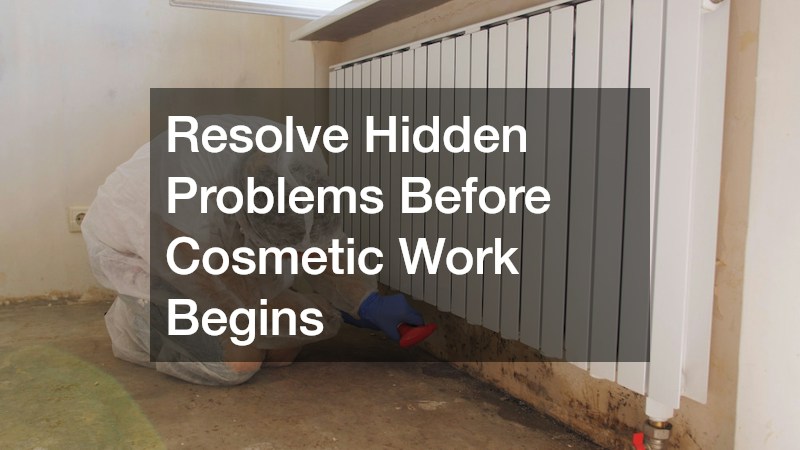
Fresh paint and new finishes can transform a room, but they should not be used to conceal underlying moisture problems. If mold is present, homeowners should identify why it developed before proceeding with cosmetic renovations.
Professional mold remediation may be necessary when contamination is extensive or involves areas that are difficult to access safely. The appropriate response depends on the location, affected materials, extent of growth, and source of moisture.
Moisture control is an essential part of the process. Plumbing leaks, roofing problems, poor drainage, condensation, or excessive indoor humidity can create conditions that support mold growth. If the underlying moisture problem remains, replacing damaged finishes alone may provide only a temporary improvement.
This is another reason renovation sequencing matters. Discovering a significant moisture issue after installing new flooring or drywall can result in duplicated expenses. Homeowners planning renovations should investigate musty odors, recurring discoloration, water stains, and other suspicious conditions beforehand.
Resolving hidden problems first may increase initial project costs, but it creates a better foundation for the improvements that follow and can prevent money from being spent twice.
Improve Comfort by Focusing on Energy Efficiency
A renovation can make a home more attractive while also addressing everyday comfort. Rooms that are consistently too hot or cold, high energy consumption, uneven temperatures, and aging heating or cooling equipment may indicate opportunities for improvement.
An HVAC company can evaluate existing equipment and determine whether maintenance, repairs, ductwork improvements, or replacement should be considered. Homeowners should not automatically assume that purchasing new equipment is necessary. In some cases, maintenance or correcting another problem may improve performance.
Energy efficiency should also be considered as a whole-house issue. HVAC performance is affected by insulation, air leakage, windows, ductwork, thermostat settings, equipment condition, and household habits. Addressing several smaller inefficiencies may sometimes make more sense than focusing exclusively on one expensive upgrade.
When replacement is appropriate, equipment should be selected based on the home’s actual needs rather than simply choosing the largest unit available. Proper planning can improve comfort while helping homeowners avoid paying for unnecessary capacity or renovations that do not address the source of the problem.
Fix Plumbing Issues Before They Affect Other Renovations

Plumbing should be evaluated before completing projects involving kitchens, bathrooms, laundry areas, or other spaces where water is used. A slow leak hidden behind a wall or beneath a fixture can damage new finishes and dramatically increase renovation expenses.
A local plumber can evaluate visible concerns and make necessary repairs before remodeling progresses. Homeowners should mention recurring leaks, unusual water pressure, discolored water, slow drainage, noisy pipes, or fixtures that do not function properly.
Keeping existing plumbing locations can also help control renovation costs. Moving sinks, toilets, showers, or other fixtures may require changes to supply and drain lines. If the current layout works well, updating fixtures without relocating major plumbing can provide a noticeable transformation with a more manageable scope.
However, homeowners should not preserve an inefficient layout solely to save money if it prevents the renovated space from functioning properly. The goal is to identify where additional spending creates meaningful value and where existing infrastructure can reasonably remain.
Completing necessary plumbing work before walls and floors are finished helps protect the rest of the renovation investment.
Reduce Long-Term Energy Costs With Better Home Protection
Some of the most valuable home improvements are almost invisible after they are completed. Insulation is a good example. It does not provide the immediate visual impact of new countertops or flooring, but it can influence indoor comfort and heating and cooling demands.
Professional insulation contractors can evaluate areas such as attics, walls, crawl spaces, and other parts of the building envelope. The appropriate improvements depend on the home’s construction, existing insulation, climate, ventilation, and locations where heat transfer or air leakage is occurring.
Insulation projects can be particularly practical when homeowners are already renovating areas that expose wall or ceiling cavities. Improving insulation before those surfaces are closed may be easier than returning to the same areas after construction is complete.
Air sealing may also deserve attention because insulation alone does not address every source of unwanted air movement. Gaps around penetrations, framing, and other openings can affect efficiency and comfort.
By incorporating energy improvements into projects already being planned, homeowners may be able to modernize the home without creating an entirely separate renovation later.
Clear Slow or Blocked Lines Before They Cause Damage

A slow drain may seem like a minor inconvenience, but recurring drainage problems should not automatically be dismissed. Blockages, buildup, damaged pipes, or other plumbing issues can interfere with normal household use and potentially create larger problems.
Professional drain cleaning can address obstructions and help determine why a particular line repeatedly drains slowly. Homeowners should pay attention when several fixtures are affected, unusual sounds occur, unpleasant odors appear, or water begins backing up.
Drainage problems deserve particular attention before kitchen or bathroom renovations. Installing new sinks, showers, tubs, or other fixtures without addressing existing drainage concerns may leave homeowners with a beautiful space that still does not function properly.
Preventative attention can also help avoid emergency situations that damage flooring, cabinetry, drywall, or personal belongings. As with many renovation expenses, solving a smaller problem early may cost considerably less than repairing the secondary damage caused by ignoring it.
Homeowners should avoid relying indefinitely on temporary fixes when problems repeatedly return. Determining the underlying cause provides a better basis for deciding what work is actually necessary.
Expand Living Space With a Carefully Planned Addition
Adding square footage sounds like one of the most expensive ways to renovate, but homeowners should compare the cost and benefits with alternatives before dismissing the idea. For someone who likes the existing home and neighborhood, expanding may be worth considering instead of moving solely to gain additional space.
A home addition can create a bedroom, expanded kitchen, family room, office, bathroom, or other functional area. The key to controlling costs is defining the purpose of the addition before design work becomes unnecessarily complicated.
Homeowners should consider how new space will connect with the existing structure, roofline, foundation, HVAC system, plumbing, and electrical system. A design that works naturally with the existing house may be less complicated than one requiring extensive structural changes.
Local permitting and zoning requirements should also be investigated early. Setbacks, lot coverage restrictions, structural requirements, and other rules can affect what is possible.
An addition should solve a clear household need. Thoughtful planning can prevent homeowners from paying for square footage that does not meaningfully improve how the property functions.
Modernize Outdated Wiring During Larger Renovations
Major remodeling projects create opportunities to address electrical components that are normally hidden behind finished walls and ceilings. If a renovation already involves demolition, homeowners can ask whether related electrical improvements should be completed before surfaces are rebuilt.
Professional electrical installation may include new wiring, circuits, outlets, switches, lighting, or connections for updated appliances and equipment. The scope depends on the existing system and the changes being made to the home.
Planning outlet and lighting locations before walls are closed can also improve functionality without dramatically increasing the overall renovation scope. Homeowners should think about where televisions, computers, kitchen appliances, chargers, lamps, and other electrical devices will realistically be used.
Larger renovations may also introduce new electrical demands. An expanded kitchen, finished basement, workshop, home office, or addition could require changes beyond simply adding another outlet.
Coordinating electrical work with demolition and reconstruction can reduce duplicated labor and unnecessary disruption. It is another example of how homeowners can save money not by eliminating important work, but by scheduling related improvements efficiently.
Choose Durable Materials That Can Reduce Future Maintenance
The cheapest material is not always the least expensive choice over the life of a home. Homeowners should consider purchase price alongside expected durability, maintenance requirements, repair costs, and how long they expect to remain in the property.
For example, homeowners comparing roofing options may consult a metal roofing contractor to understand how metal differs from other available materials. Metal roofing can have a higher initial cost than some alternatives, but homeowners may consider factors such as durability, maintenance needs, appearance, climate suitability, and manufacturer warranties when evaluating long-term value.
The same principle applies throughout a renovation. Flooring that can withstand the household’s normal activity may provide better value than a cheaper product that requires early replacement. Durable exterior finishes can reduce maintenance demands, while appropriately selected fixtures may remain functional longer.
This does not mean homeowners should automatically purchase the most expensive material available. Premium pricing does not guarantee that a product is appropriate for a particular home.
Instead, renovation budgets should consider total value. Spending somewhat more in areas where durability matters may allow homeowners to spend less on repairs and replacement in the years ahead.
Renovating for less is ultimately about making deliberate choices rather than simply choosing the lowest-priced option at every stage. Homeowners can often control costs by repairing problems early, preserving functional layouts, coordinating related projects, and focusing spending on improvements that protect or enhance multiple parts of the home.
A successful renovation plan should begin with the fundamentals. Roofing problems, water damage, mold, plumbing concerns, electrical deficiencies, drainage issues, and other underlying conditions should be addressed before expensive cosmetic finishes are installed. Once the home has a solid foundation, homeowners can determine which comfort, efficiency, appearance, and space improvements fit within the remaining budget.
Project timing can create additional savings. If walls are already open, it may be an ideal time to address wiring or insulation. If a bathroom is already being renovated, existing plumbing problems can be handled before new surfaces are installed. Combining related work thoughtfully can reduce the need to tear into completed areas later.
Homeowners should also compare contractor proposals carefully. Estimates should clearly explain labor, materials, preparation, cleanup, warranties, and other major costs so that competing bids can be evaluated on more than the final number.
The goal does not have to be creating an entirely different house. A renovation can be successful when it makes the existing home safer, more comfortable, efficient, functional, and easier to maintain. By prioritizing projects carefully and investing where improvements will have the greatest long-term impact, homeowners may be able to accomplish far more with their renovation budget than they initially expected.